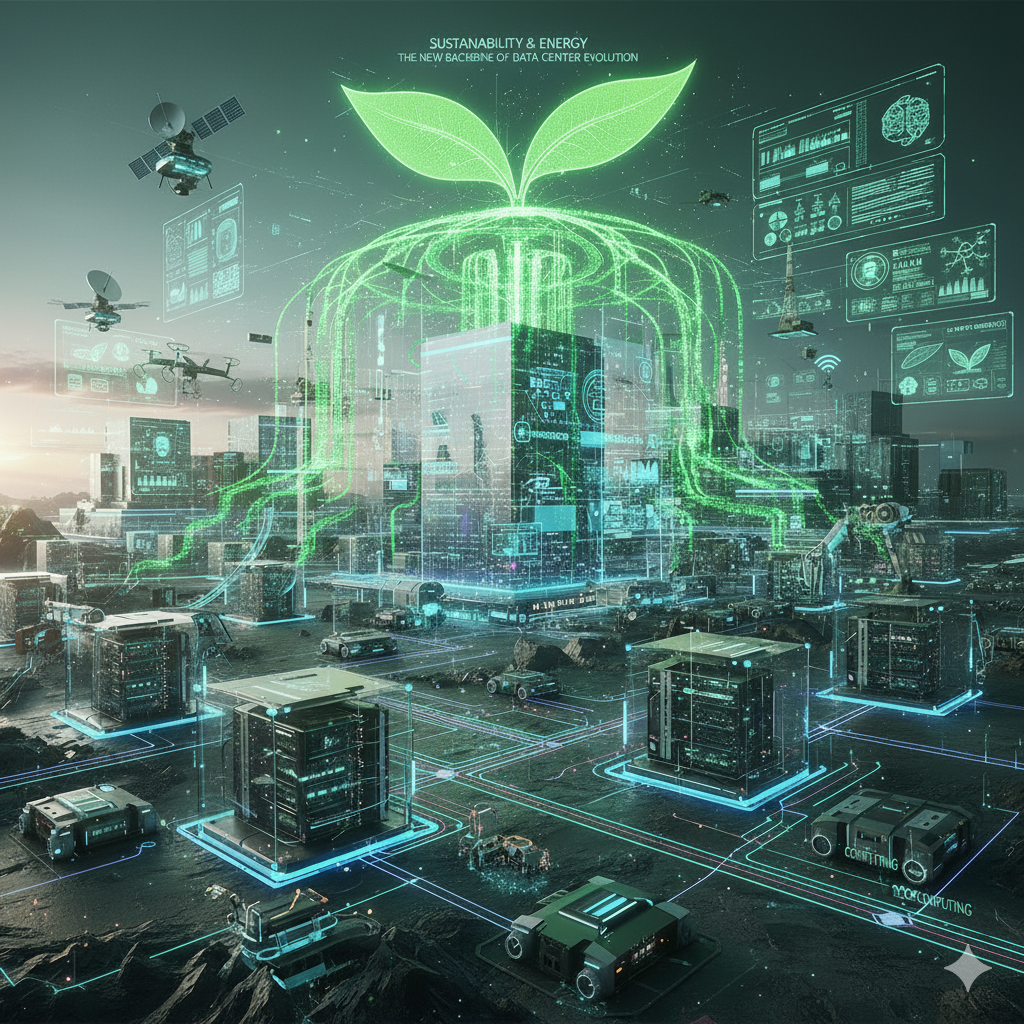
Sustainability & Energy / Cooling Efficiency: The New Backbone of Data Center Evolution
The global digital economy is expanding faster than ever, driven by AI, streaming, cloud adoption, 5G, IoT, and real-time enterprise […]

Designing a data center means balancing power density, cooling efficiency, redundancy, and cost — often for a facility expected to run reliably for a decade or more. This section covers architectural and engineering approaches to data center design, including layout planning, rack density strategies, electrical and mechanical systems, and how design choices affect long-term operating costs and scalability. Articles here are aimed at engineers, facility planners, and IT decision-makers evaluating how to build or retrofit infrastructure for current and future workloads.
The global digital economy is expanding faster than ever, driven by AI, streaming, cloud adoption, 5G, IoT, and real-time enterprise […]
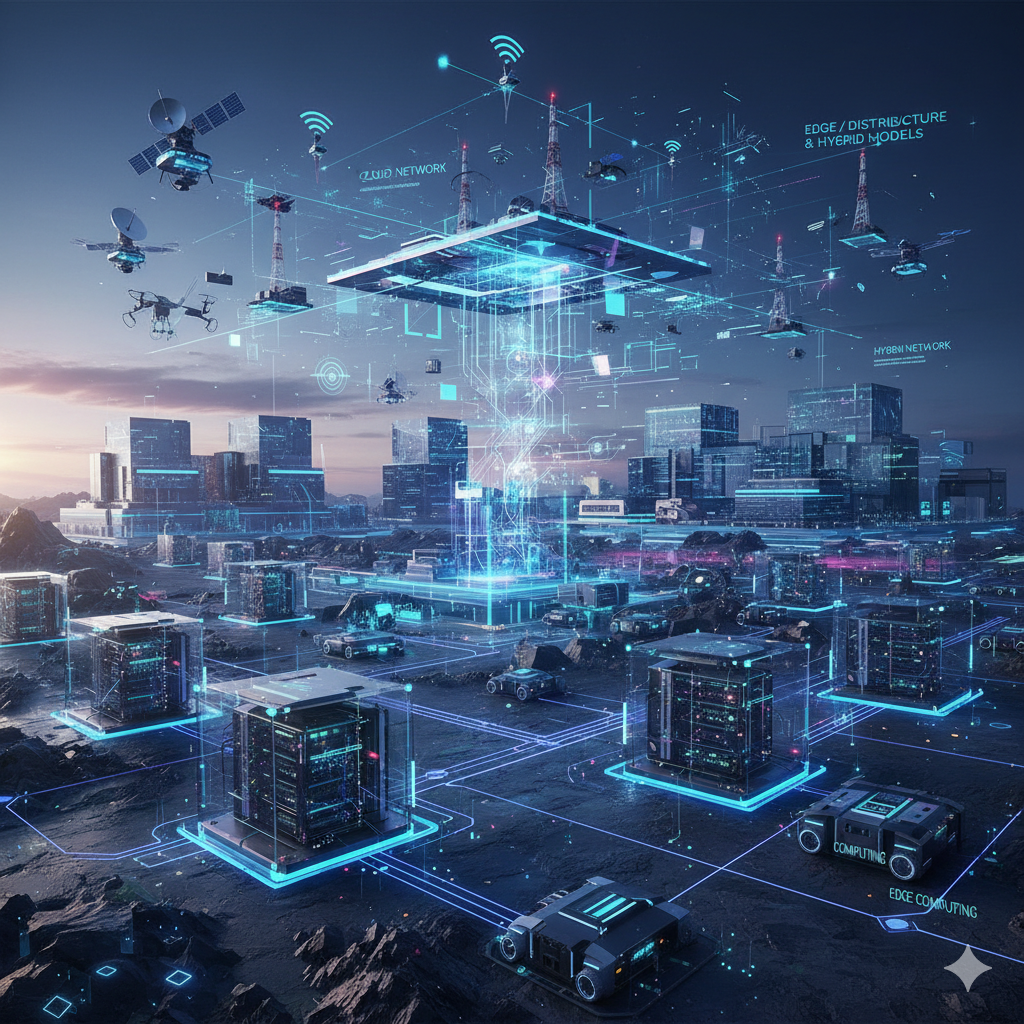
Technology continues to evolve at unprecedented speed, pushing the global infrastructure ecosystem toward a more distributed, resilient, and intelligent model.
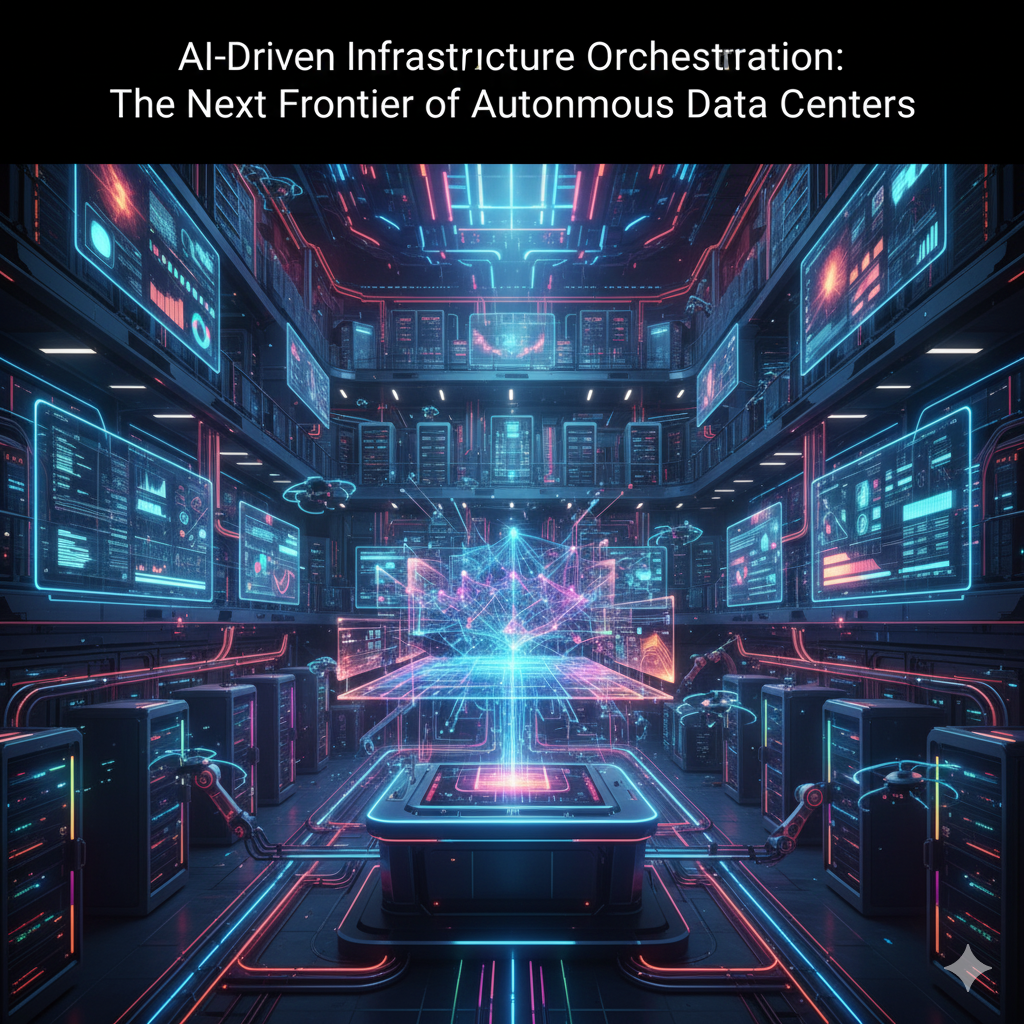
Introduction As artificial intelligence (AI) workloads scale exponentially, the underlying data center infrastructure that powers them faces unprecedented complexity. Traditional
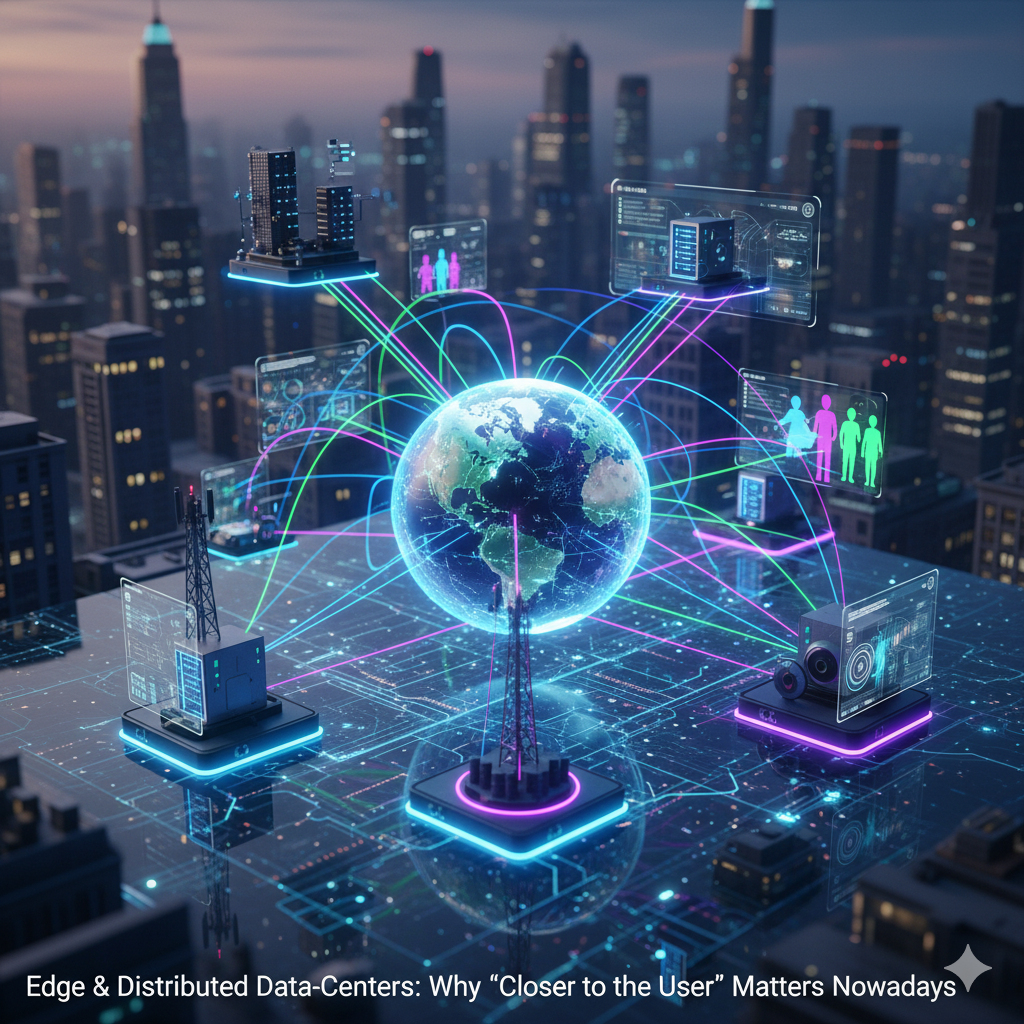
Edge & Distributed Data-Centers: Why “Closer to the User” Matters Nowadays For the past two decades, the digital world revolved
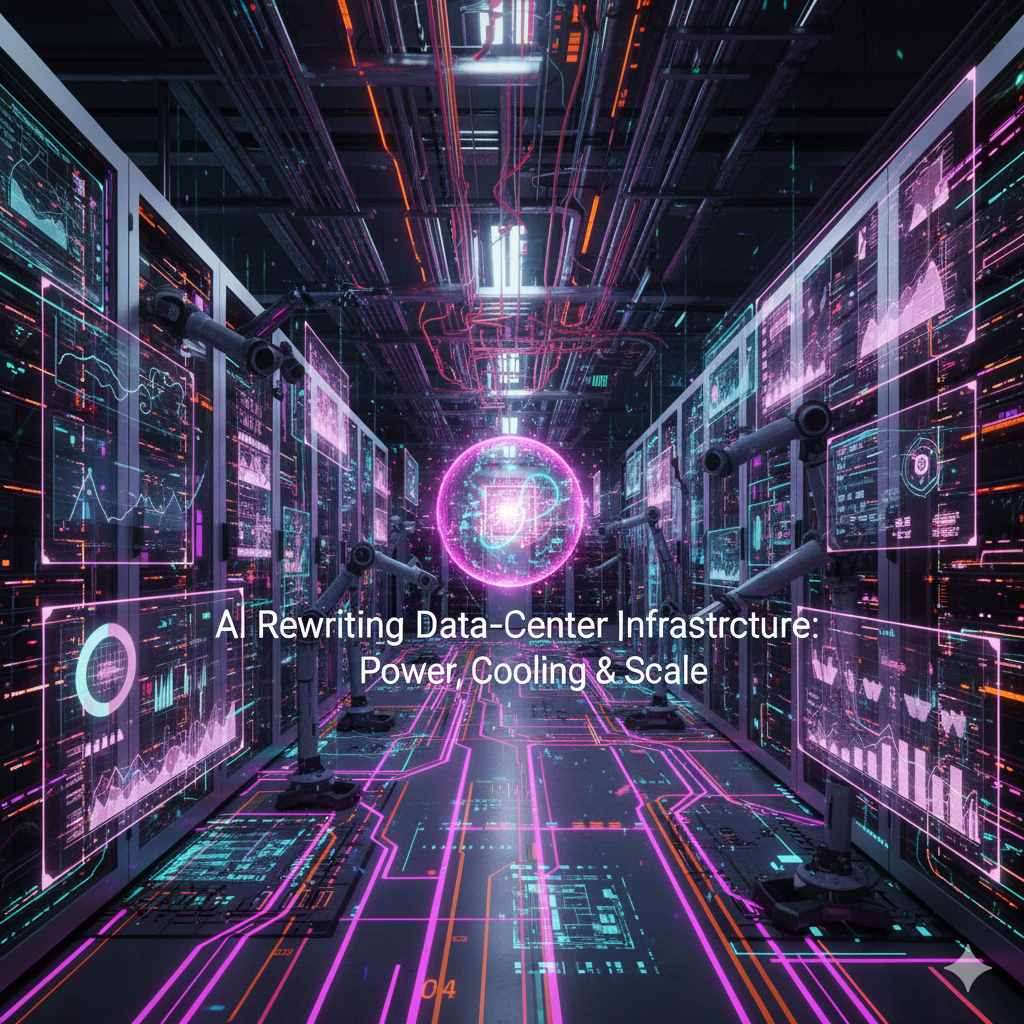
Artificial Intelligence is no longer a software feature—it’s an architectural revolution. From hyperscale campuses in Virginia and Osaka to high-density
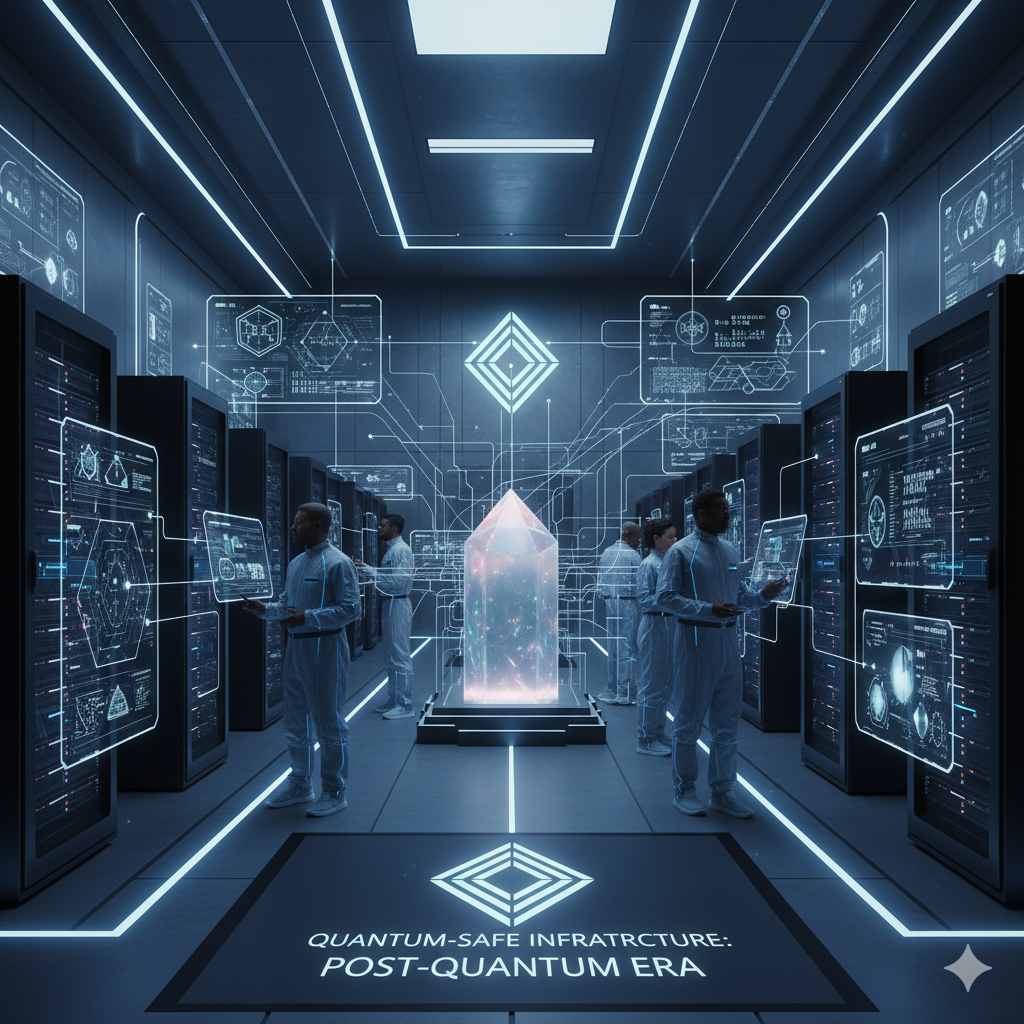
As quantum computing advances from academic labs into real-world deployment, one of the most profound transformations awaiting digital infrastructure is
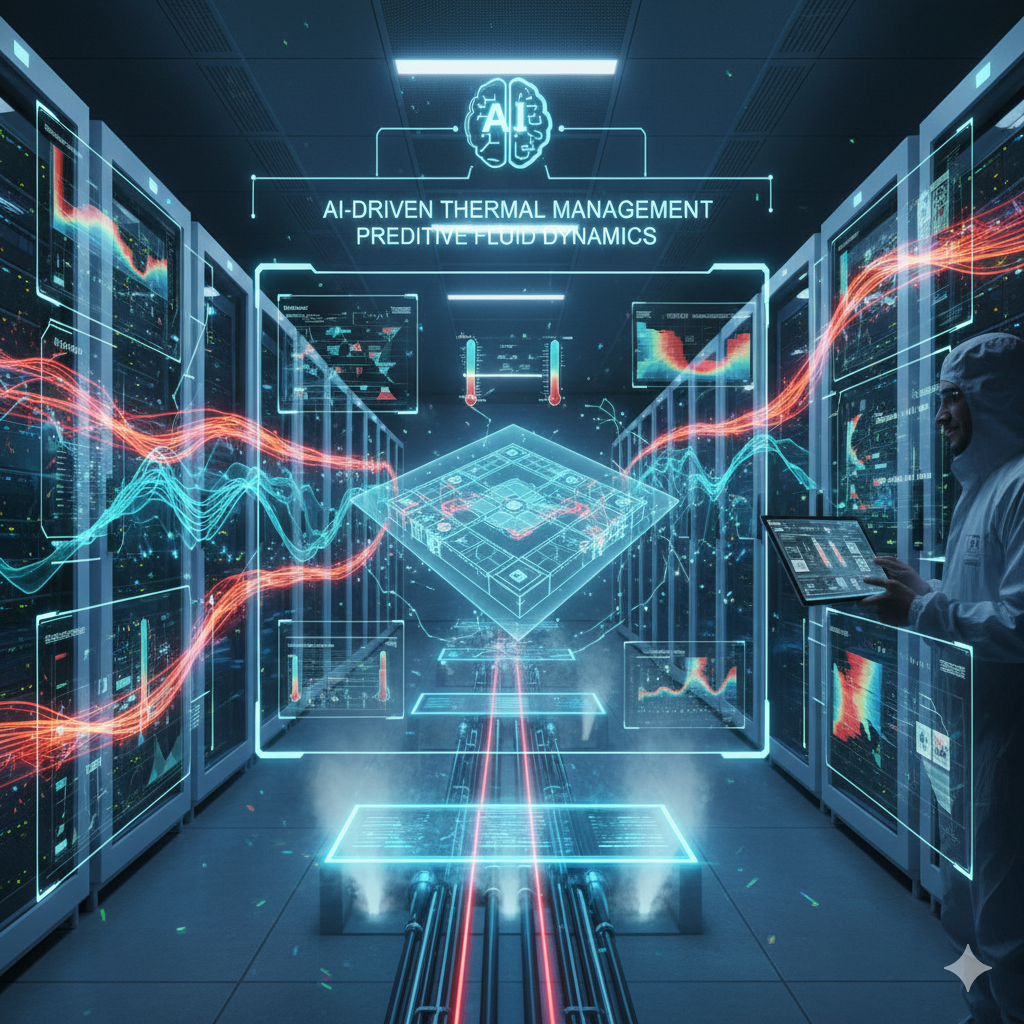
As rack power density keeps rising and AI/model training workloads concentrate extreme heat into ever-smaller volumes, traditional rule-based cooling is
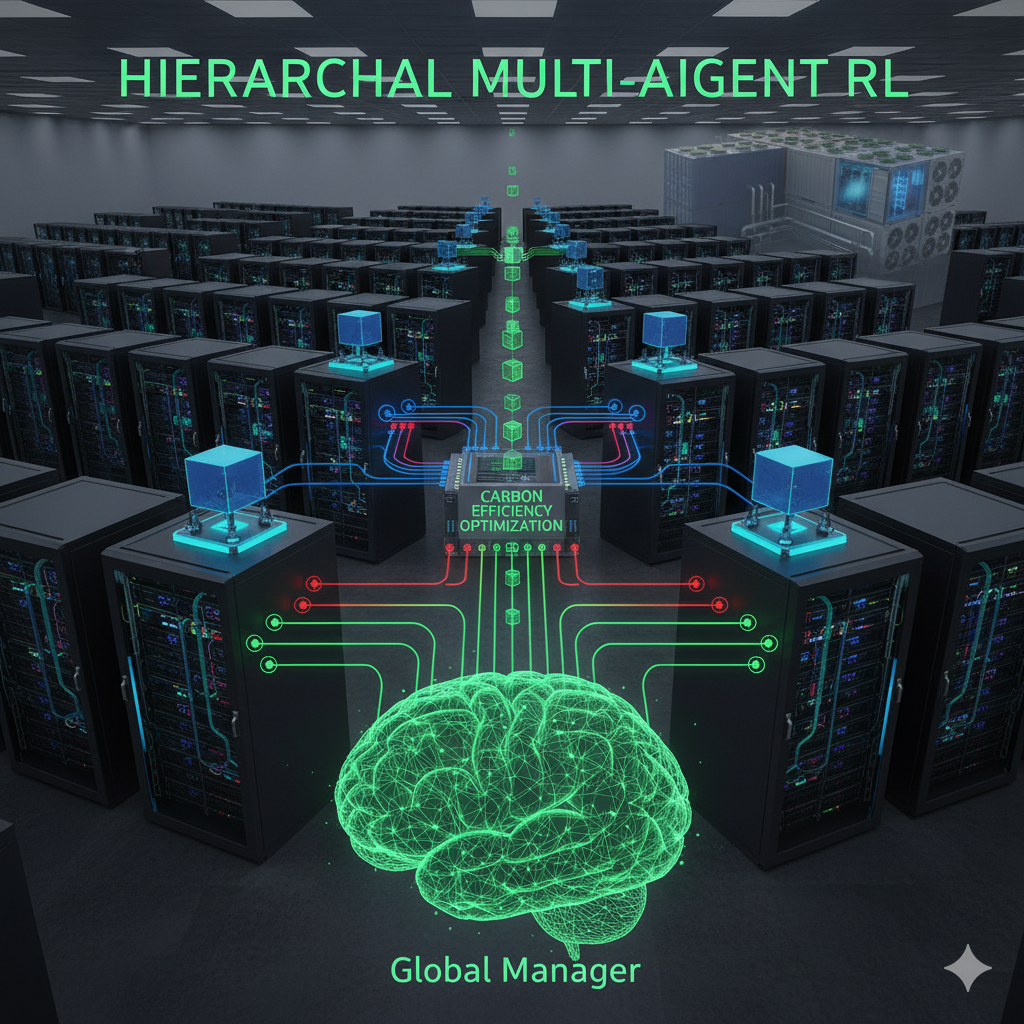
The modern data center is no longer a static facility — it’s a living, adaptive ecosystem powered by intelligent automation
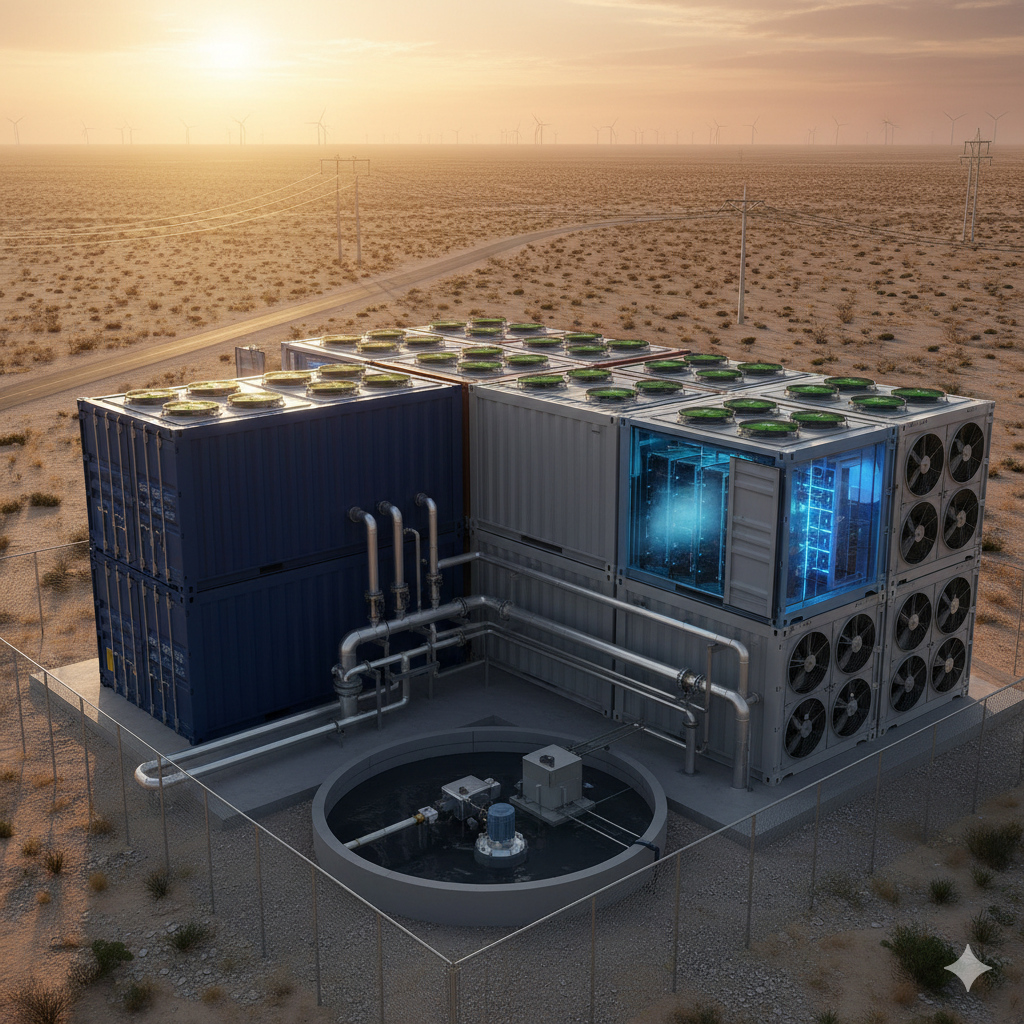
The data center industry is in the midst of a paradigm shift — driven by AI, edge computing, and massive
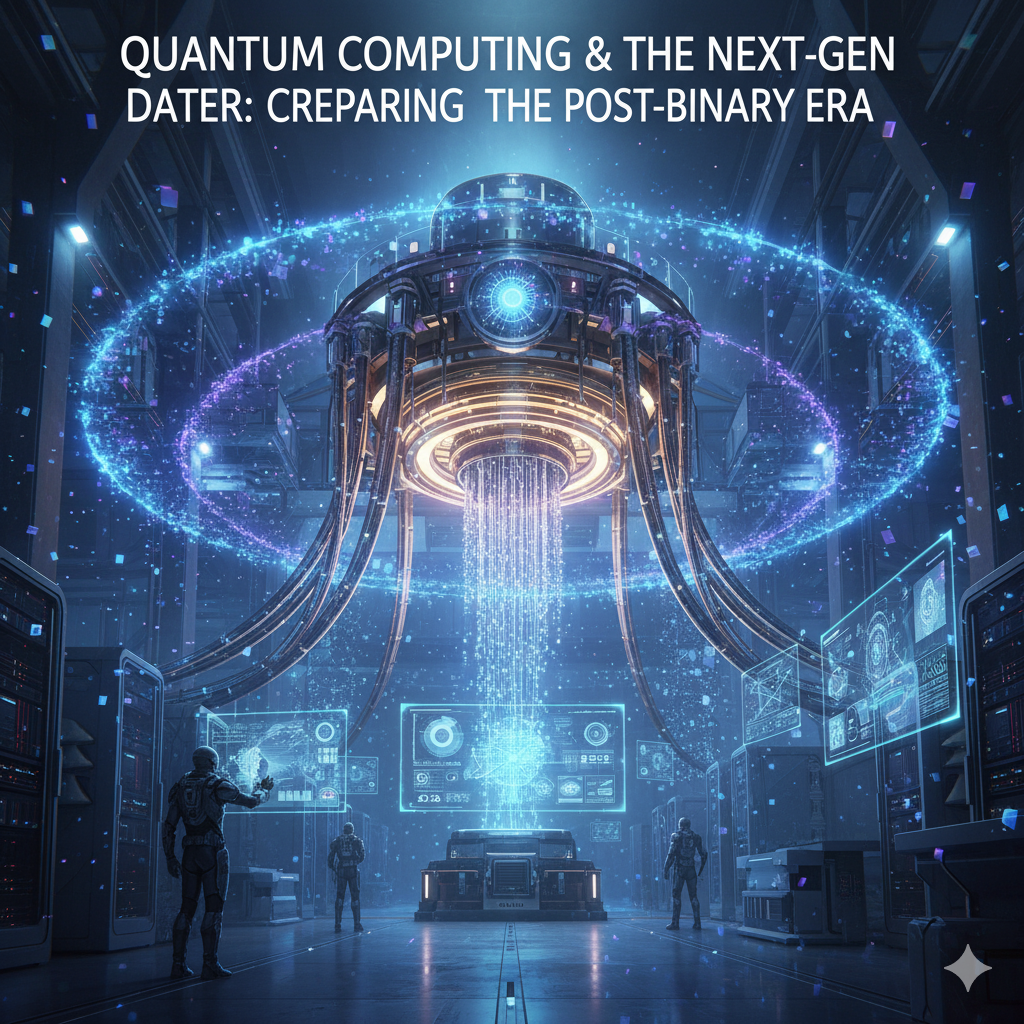
Quantum computing represents a paradigm shift in computational capability. Leveraging principles such as superposition, entanglement, and quantum interference, quantum processors