The Enterprise Squeeze: Mid-Size Data Center Buyers Lose Out
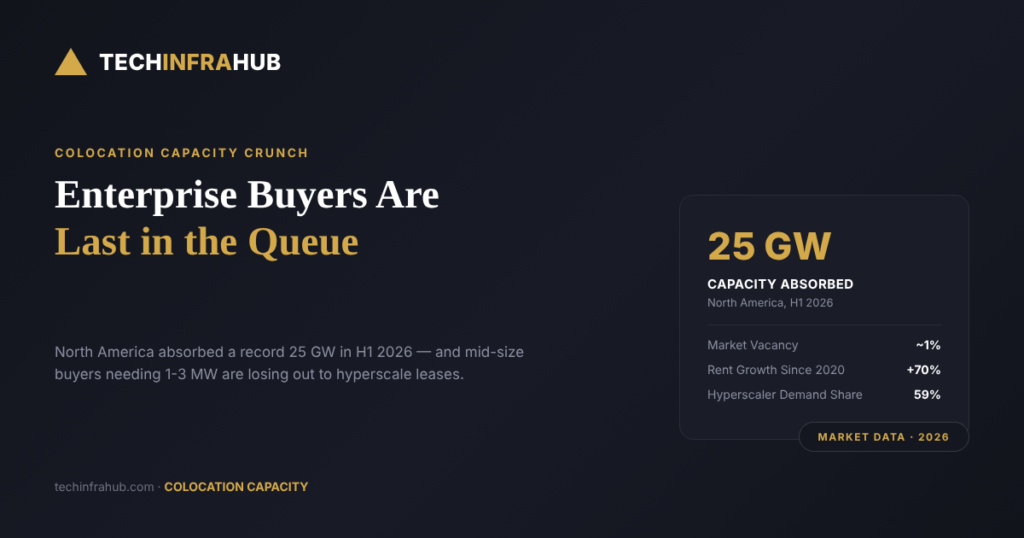
North America absorbed a record 25 GW of data center capacity in H1 2026, but enterprise buyers needing 1-3 MW are losing the queue to hyperscale leases.


North America absorbed a record 25 GW of data center capacity in H1 2026, but enterprise buyers needing 1-3 MW are losing the queue to hyperscale leases.
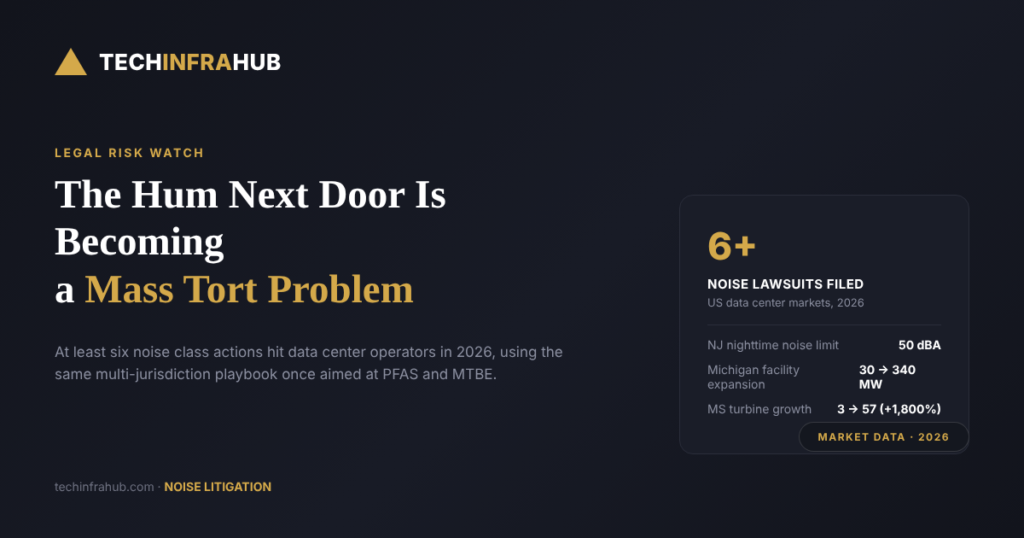
At least six class-action noise lawsuits hit data center operators in 2026 — from Microsoft to smaller AI colocation players — using a mass-tort playbook once aimed at PFAS and MTBE.
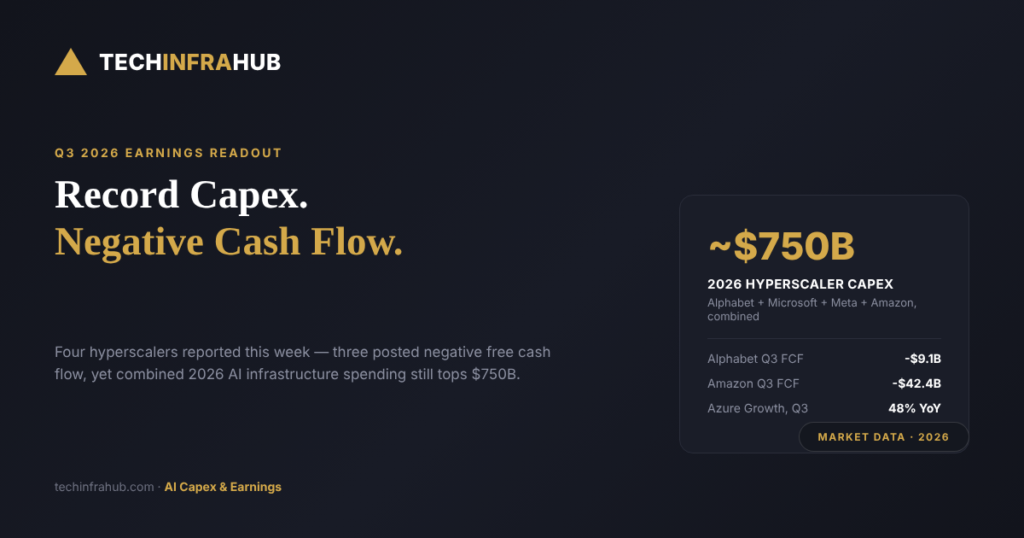
Alphabet, Amazon and Meta posted negative free cash flow in Q3 2026 even as combined hyperscaler capex approached $750B — here is what the earnings-week reaction means for data center buyers.
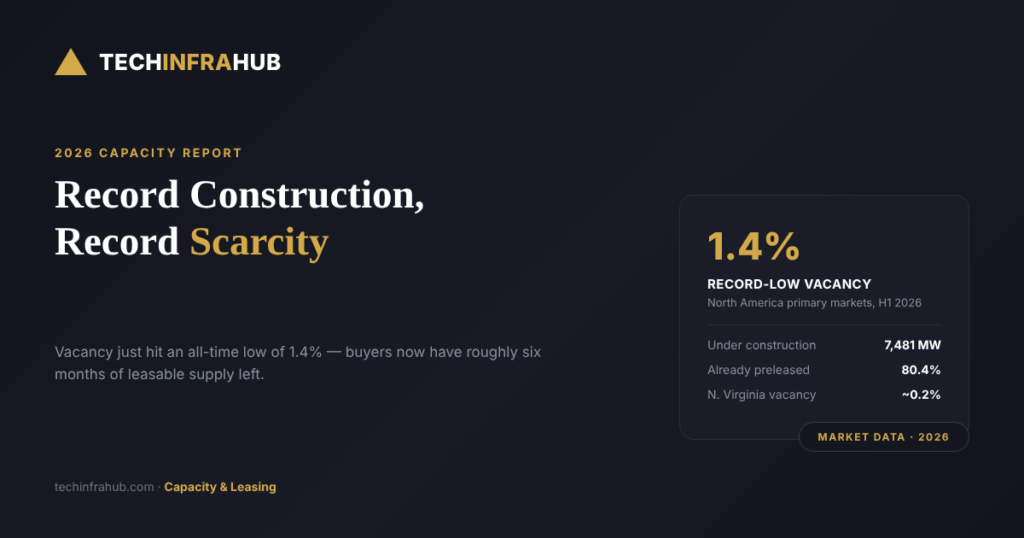
North American data center vacancy fell to a record-low 1.4% in H1 2026 even as construction hit 7,481 MW — leaving buyers roughly six months of leasable supply.
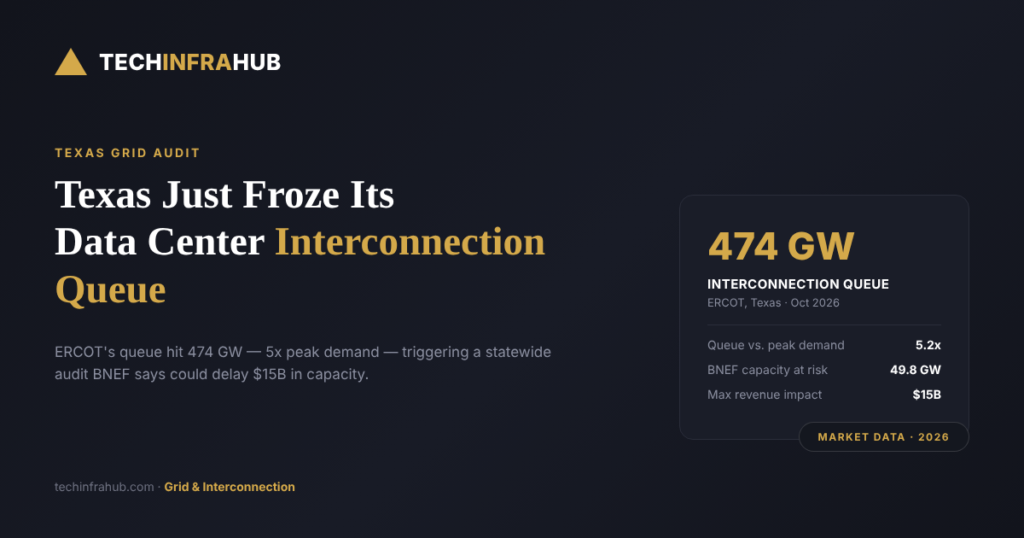
Texas has paused new ERCOT grid connections while auditing a 474 GW interconnection queue — BloombergNEF warns the freeze could delay $15 billion in data center capacity.
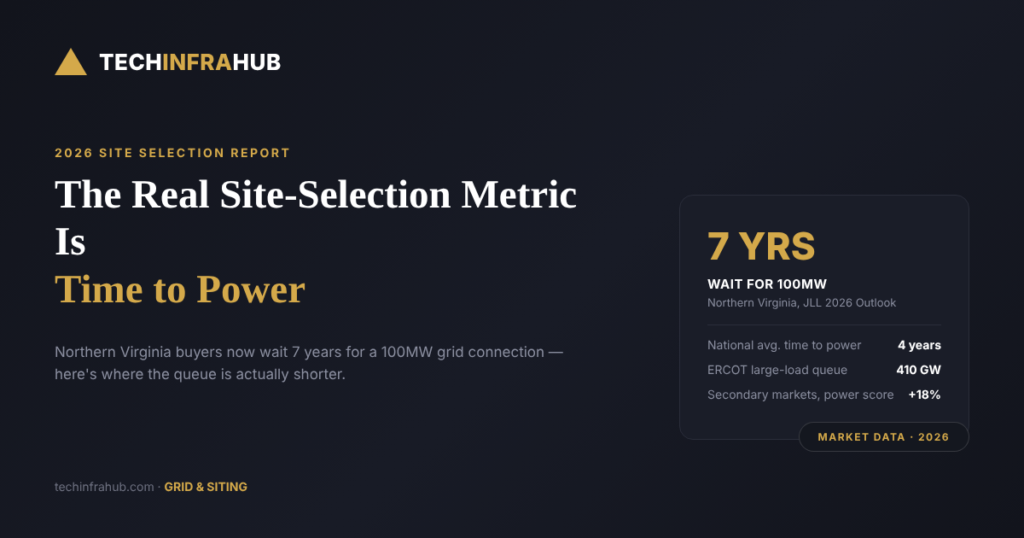
JLL puts the wait for a 100MW connection in Northern Virginia at 7 years. Here is the market-by-market power data buyers need before signing a site.
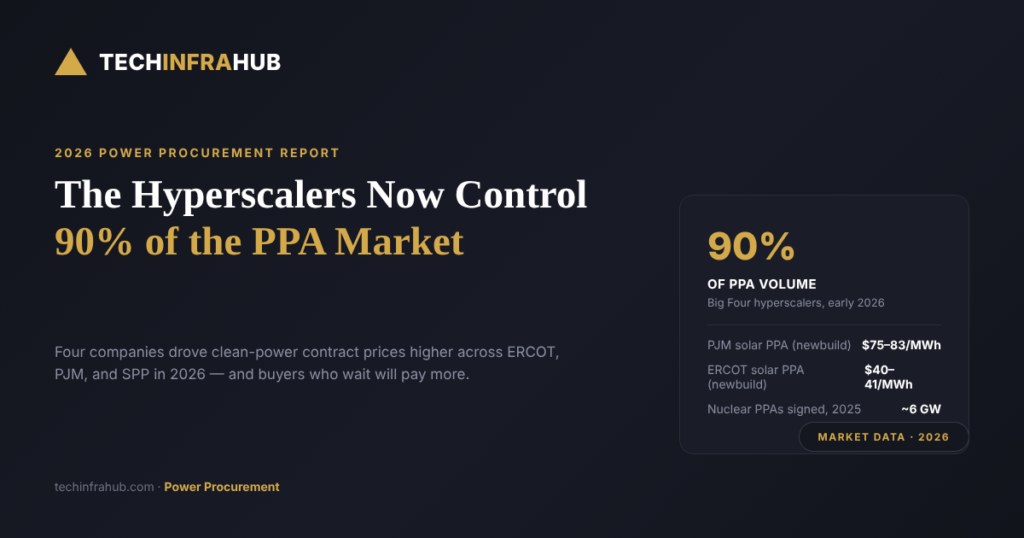
Hyperscalers now drive 90% of U.S. clean-power PPA volume, and PJM solar contracts have climbed to $75–83/MWh. Here’s what the 2026 power procurement squeeze means for data center buyers.
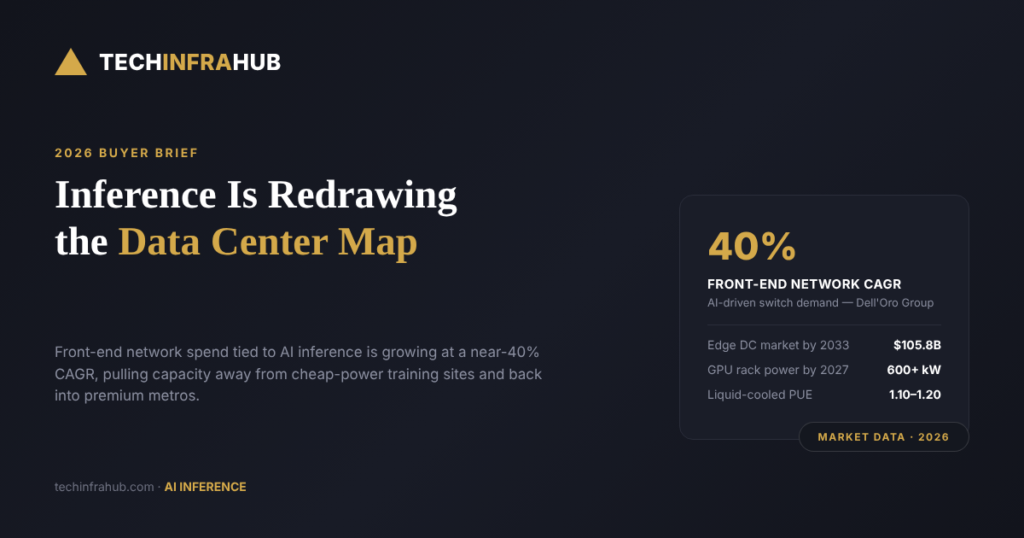
Front-end AI network spend is growing at a near-40% CAGR as workloads shift from training to inference — and the colocation site that was right for your last deal may not fit the next one.
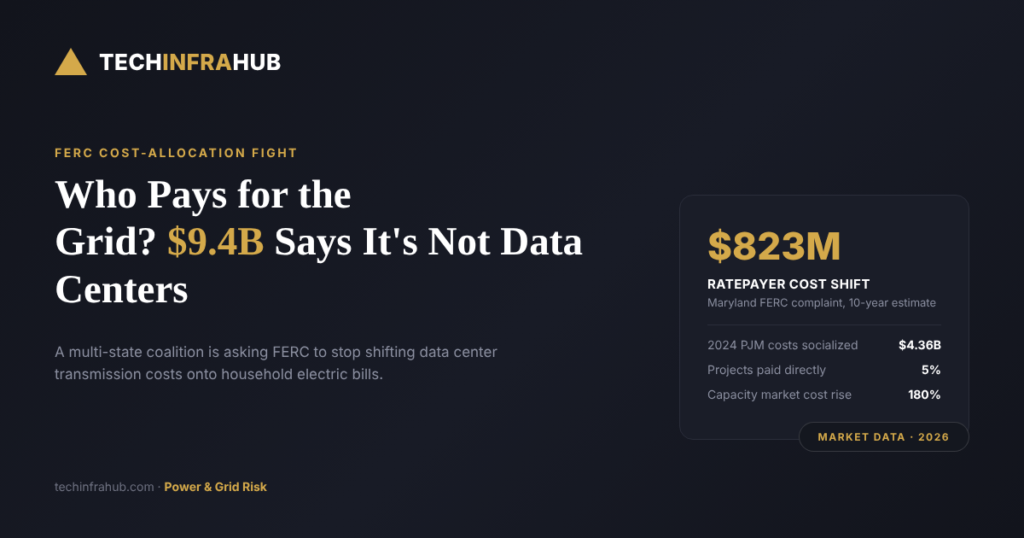
Maryland says ratepayers face $823M in data center transmission costs over a decade; PJM-wide, $4.36B was socialized in 2024 alone. Here is what the FERC fight means for buyers.
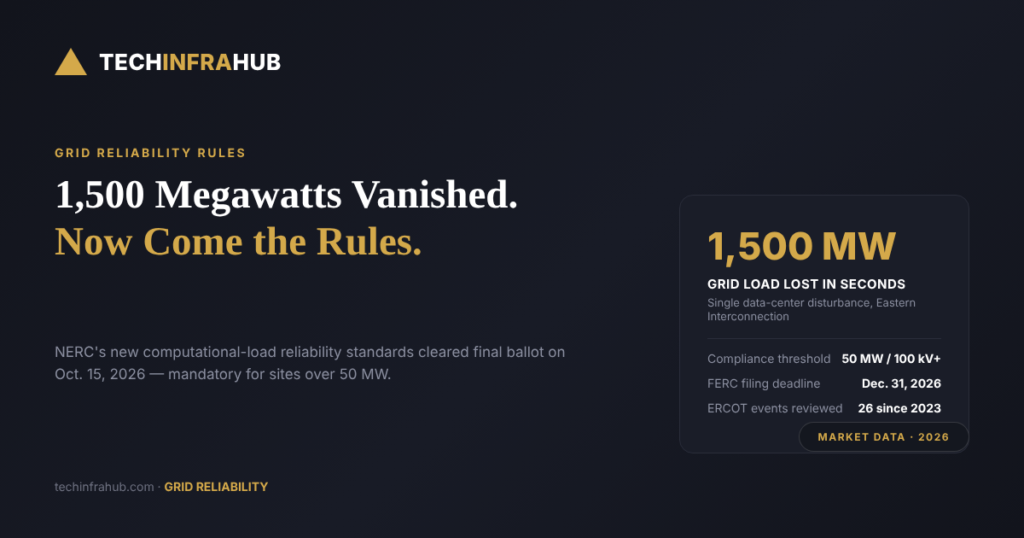
NERC’s new computational-load reliability standards cleared final ballot on Oct. 15, 2026, bringing any site over 50 MW under mandatory grid rules for the first time. Here’s what it means for your next build or lease.