
Introduction: Why AI-Optimized Data Centers Matter More Than Ever
In today’s digital-first economy, data is not just an asset—it is the backbone of global innovation. From generative AI models to real-time analytics, modern enterprises depend on high-performance computing environments that can scale, adapt, and optimize themselves.
Asia, particularly countries like China, India, and Singapore, is leading a quiet revolution in AI-powered data infrastructure. The emergence of AI-optimized data centers—facilities that use artificial intelligence to manage operations, energy, and workloads—is redefining how the world thinks about scalability and efficiency.
One of Asia’s largest AI-optimized data centers has become a benchmark for next-generation infrastructure. Designed to handle massive AI workloads, this facility demonstrates how automation, sustainability, and intelligent systems can coexist.
But the real question is:
👉 What can the rest of the world learn from this?
This article breaks down the key lessons, strategies, and actionable insights from Asia’s largest AI-driven data center—and how businesses globally can apply them.
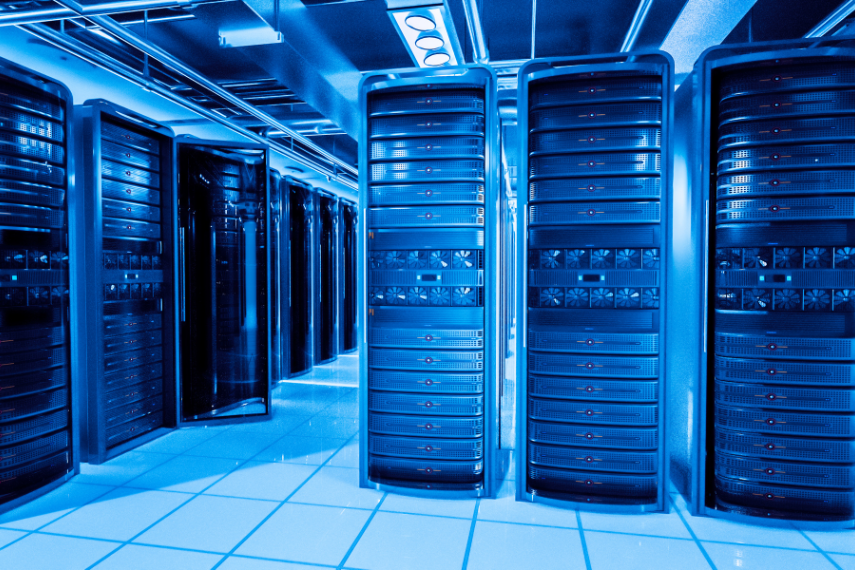
Inside Asia’s Largest AI-Optimized Data Center

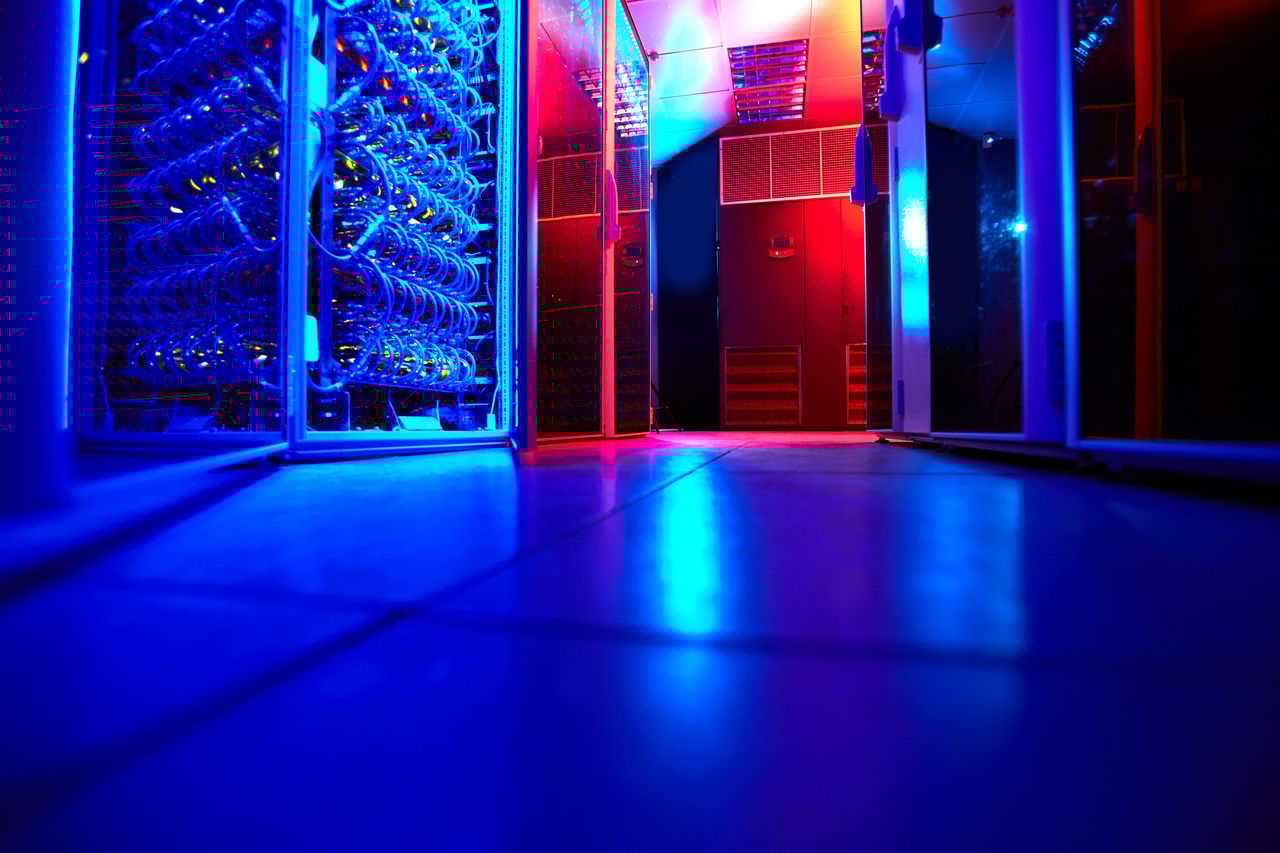
What Makes It “AI-Optimized”?
Unlike traditional facilities, AI-optimized data centers are built with intelligence embedded into every layer:
AI-driven cooling systems
Autonomous infrastructure monitoring
Predictive maintenance algorithms
Dynamic workload allocation
Energy optimization engines
These centers are not just reactive—they are self-learning ecosystems.
Key Technologies Powering the Facility
1. Machine Learning for Operations
AI models continuously analyze:
Temperature fluctuations
Server load distribution
Network latency patterns
This allows real-time decision-making without human intervention.
2. Digital Twins for Simulation
A virtual replica of the data center enables:
Scenario testing
Failure prediction
Capacity planning
This reduces risks and improves uptime.
3. AI-Based Cooling Systems
Cooling accounts for nearly 40% of energy usage in data centers.
AI helps:
Reduce cooling costs by up to 30%
Optimize airflow dynamically
Prevent overheating proactively
4. Edge + Cloud Integration
The facility integrates edge computing nodes to reduce latency, making it ideal for:
Autonomous vehicles
Smart cities
Real-time analytics
Case Study: Performance Gains
A global cloud provider reported:
⚡ 40% faster processing speeds
💰 30–35% reduction in operational costs
🔋 Significant improvement in energy efficiency (lower PUE)
Lessons for Global Data Centers
1. Energy Efficiency is No Longer Optional

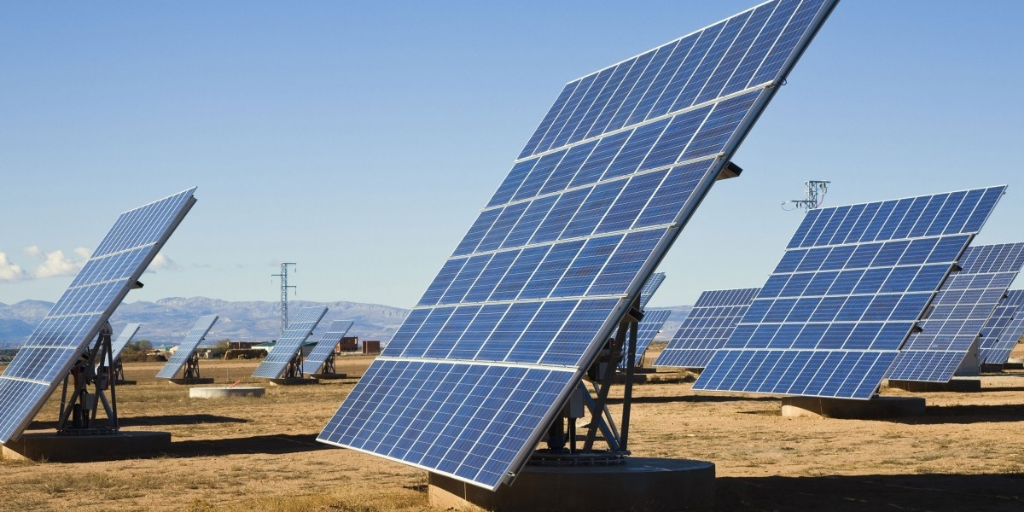
Energy consumption is one of the biggest challenges globally.
Key Takeaways:
Implement AI-driven cooling systems
Use renewable energy sources (solar, wind)
Monitor real-time energy usage
👉 Global Insight:
European data centers are adopting carbon-neutral strategies, while India is pushing for green data parks.
2. Automation is the Future of Infrastructure
Manual operations are becoming obsolete.
AI Automation Enables:
Self-healing systems
Automated incident response
Zero-touch operations
👉 This reduces human error and improves uptime.
3. Scalability Must Be Built-In
AI workloads are unpredictable and resource-intensive.
Best Practices:
Modular infrastructure design
Hybrid cloud integration
GPU-ready architecture
👉 Hyperscalers like AWS and Azure are already adopting this model globally.
4. Data Centers Must Be “AI-Native”
Traditional infrastructure cannot support modern AI workloads efficiently.
AI-Native Features:
GPU clusters
High-speed interconnects
AI workload orchestration
5. Predictive Maintenance is a Game-Changer
Instead of reacting to failures:
AI predicts hardware issues
Maintenance is scheduled proactively
Downtime is minimized
Step-by-Step Guide: How to Build an AI-Optimized Data Center
Step 1: Assess Current Infrastructure
Identify inefficiencies
Measure PUE and energy usage
Audit workload performance
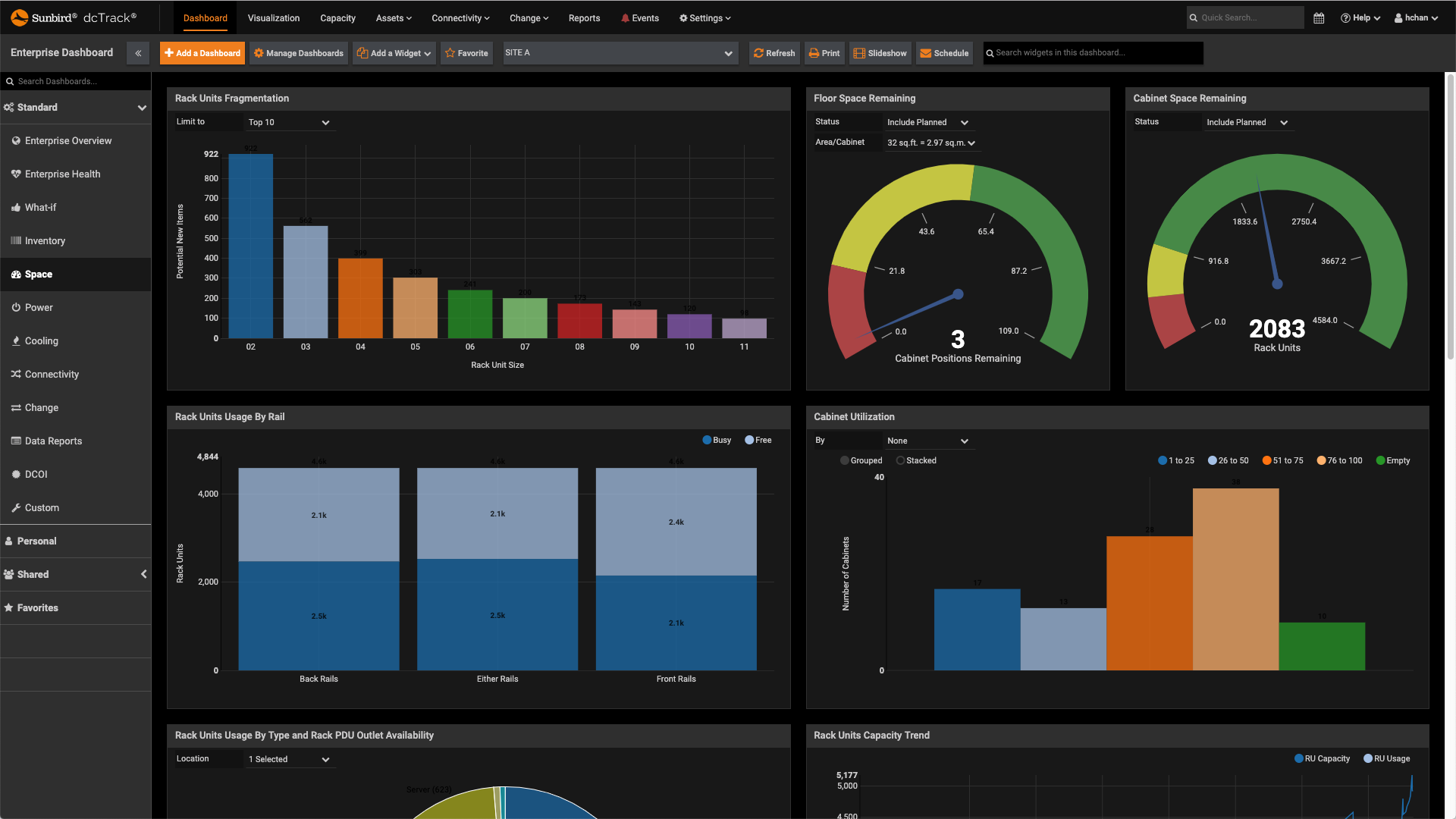
Step 2: Implement AI Monitoring Tools
Deploy real-time analytics platforms
Use AI dashboards for visibility
Step 3: Upgrade Cooling Systems
Adopt liquid cooling or AI-based airflow systems
Integrate environmental sensors
Step 4: Automate Operations
Use AI for:
Incident detection
Resource allocation
Workload balancing
Step 5: Enable Hybrid & Edge Integration
Connect centralized data centers with edge nodes
Reduce latency for global users
Step 6: Focus on Sustainability
Invest in renewable energy
Reduce carbon footprint
Align with ESG goals
Global Trends Shaping AI Data Centers
1. Rise of Hyperscale Facilities
Mega data centers are becoming the norm.
2. AI + Sustainability Convergence
Green AI is the next big movement.
3. Edge Computing Expansion
Localized data processing is growing rapidly.
4. Government Regulations
Countries are enforcing stricter:
Data sovereignty laws
Energy consumption limits
Visual & Interactive Content Suggestions
To enhance engagement, include:
📊 Infographics
AI vs Traditional Data Center Comparison
Energy Savings Breakdown
📈 Charts
PUE improvement over time
Cost reduction analysis
🧩 Diagrams
AI-driven cooling workflow
Data center architecture
🎥 Interactive Elements
Virtual data center tours
AI monitoring dashboards
Storytelling: A Real-World Scenario
Imagine a financial services company handling millions of transactions per second.
Before AI optimization:
Frequent downtime
High latency
Rising energy costs
After migrating to an AI-optimized data center:
Real-time fraud detection
99.99% uptime
30% lower costs
This is not hypothetical—it’s already happening.
Monetization Opportunities (AdSense Ready)
This article naturally aligns with high CPC keywords such as:
Cloud computing services
AI infrastructure solutions
Data center optimization
Enterprise cloud platforms
Green data center technologies
Suggested Ad Placements:
After Introduction
Mid-article (after Lessons section)
Before Conclusion
Key Takeaways
AI is transforming data center operations globally
Energy efficiency is a competitive advantage
Automation reduces cost and downtime
Scalability is critical for future growth
Sustainability is becoming mandatory
Conclusion: The Future is Intelligent Infrastructure
Asia’s largest AI-optimized data center is more than just a technological achievement—it’s a glimpse into the future of digital infrastructure.
As AI adoption accelerates worldwide, businesses must rethink how they design, operate, and scale their data environments.
The shift is clear:
👉 From manual to autonomous
👉 From reactive to predictive
👉 From energy-intensive to sustainable
Organizations that embrace these lessons will not only stay competitive—they will lead the next wave of innovation.
Call to Action (CTA)
🚀 Want to stay ahead in the world of AI, cloud, and data infrastructure?
Explore more deep insights, expert analysis, and future-ready strategies at:
👉 www.techinfrahub.com
💬 If you found this article valuable, share it with your network and drop your thoughts in the comments!
Contact Us: info@techinfrahub.com
FREE Resume Builder