

Quantum Computing vs Classical AI: Will They Coexist or Compete?
In the ever-evolving landscape of advanced computation, two transformative forces are reshaping the future—Quantum Computing and Artificial Intelligence (AI). Each […]
In the ever-evolving landscape of advanced computation, two transformative forces are reshaping the future—Quantum Computing and Artificial Intelligence (AI). Each […]
Abstract As computational workloads expand exponentially in the AI era, the limitations of silicon-based architectures and carbon-intensive data center infrastructures
Introduction: A Paradigm Shift in Computation Imagine a computer so powerful it could simulate the entire human genome in seconds,
Introduction: The Infrastructure Renaissance The next digital revolution isn’t just about AI or the cloud—it’s about the invisible scaffolding that

Introduction The digital era, driven by classical computing and AI algorithms, has reached an inflection point. As data volumes, complexity,
Introduction Quantum computing is no longer a futuristic concept confined to academic circles and physics labs. It is becoming a
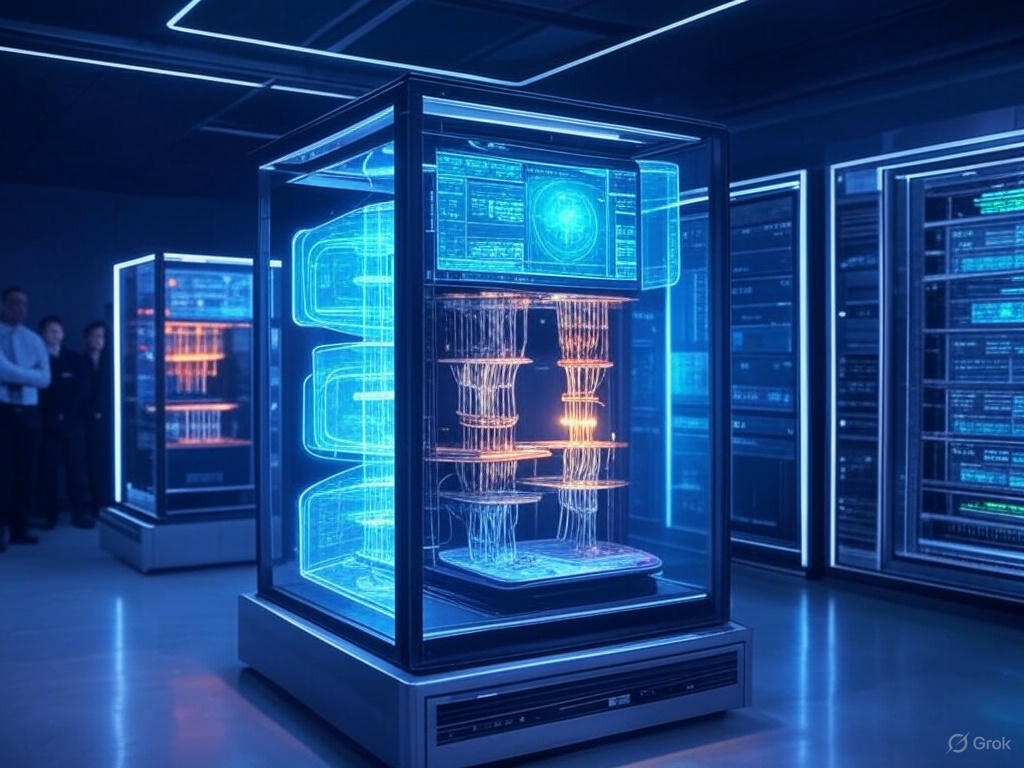
Introduction In an era defined by rapid technological advancements, enterprises must rethink their approach to IT infrastructure. Artificial Intelligence (AI)

Quantum computing has transitioned from theoretical exploration to tangible breakthroughs, reshaping industries and national strategies worldwide. This comprehensive article delves
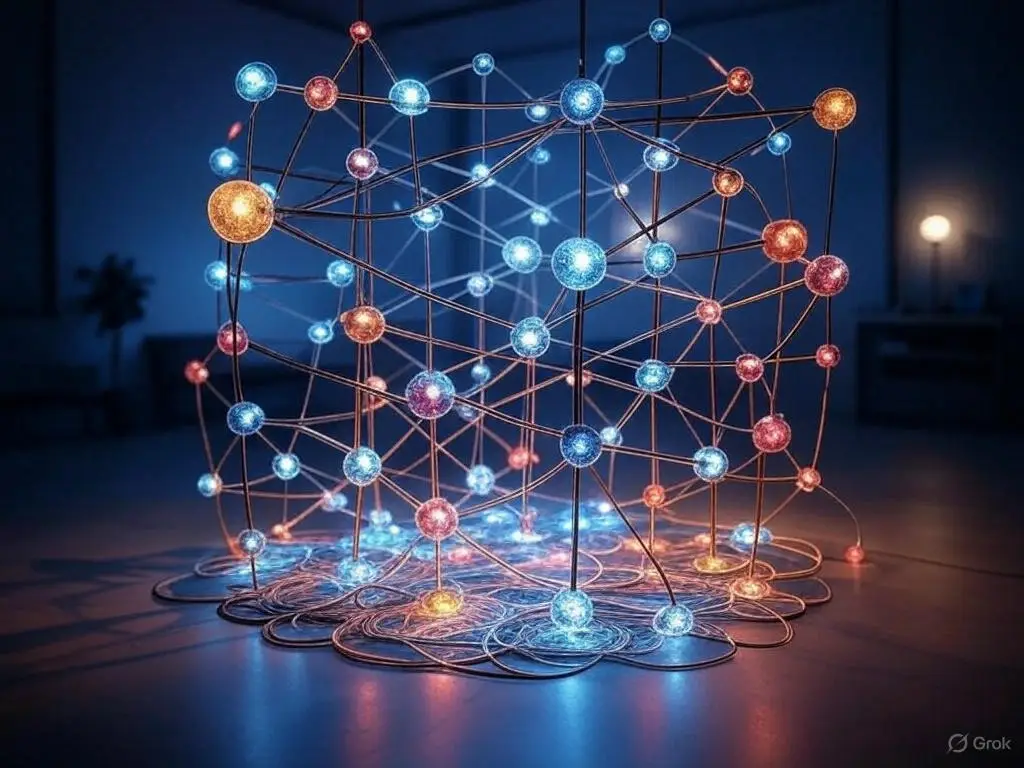
2.1 Introduction to Topological Qubits Topological quantum computing relies on quasiparticles known as anyons, especially Majorana fermions, which store information
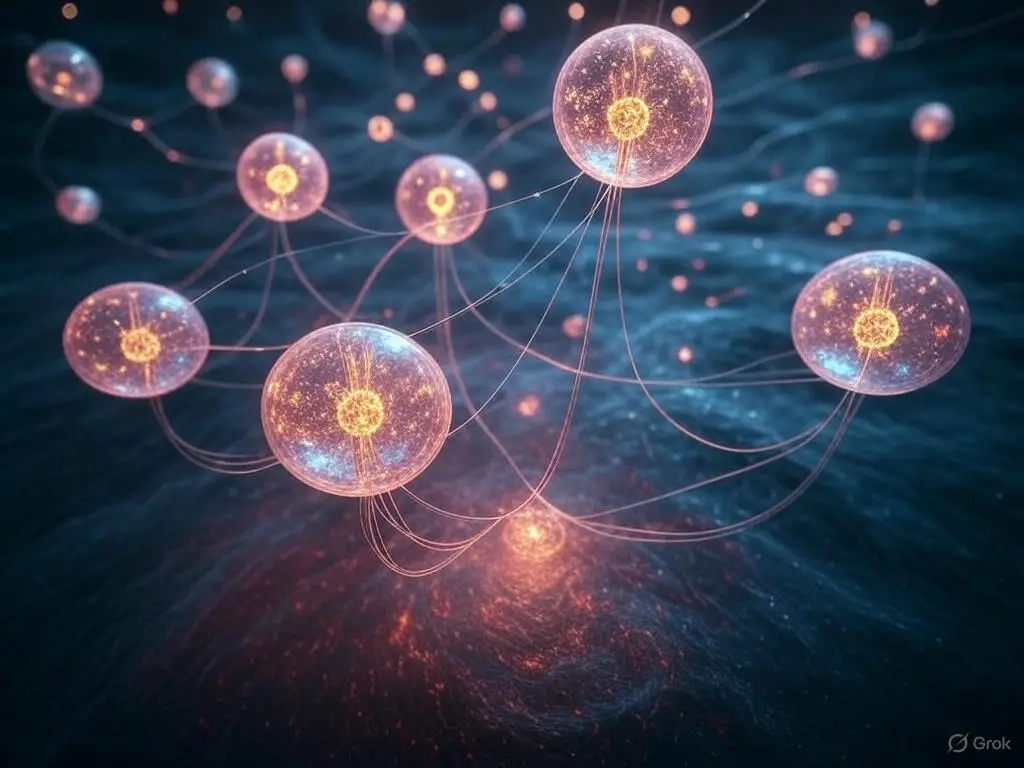
1.1 Background and Motivation Quantum systems are extremely sensitive to their environment, leading to decoherence and computational errors. Traditional quantum